

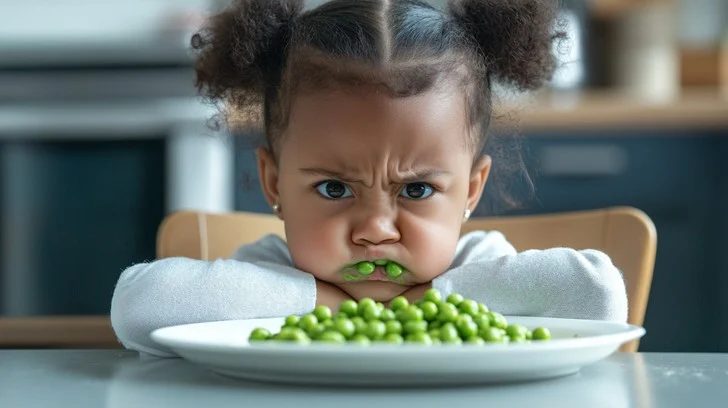
My Child is a Picky Eater: Should I Worry?
It’s natural to worry and assume something must be wrong when your child seems to lose interest in food.In fact, this is a stage that many toddlers go through. Up to a third of children around the age of two could be described as fussy eaters.
Loss of appetite?
- There are several possible explanations for a toddler’s sudden lack of interest in food. Around the end of the first year, a child’s growth rate slows down. This might mean their appetite has decreased.
- They are also experiencing a growing sense of independence. You may have noticed they are less co-operative in other areas – like getting dressed or putting their shoes on. Refusing food may be the same and sometimes it’s just that they’re too busy learning new skills or just playing!
Present simple, healthy food
Don’t ask them what they want – at two, they won’t know! Give tried and tested foods alongside anything that is new so that the meal looks familiar. Toddlers need to be given a new food more than 10-15 times before they will accept it.

Encourage them to feed themselves. They will make a mess, but they may well eat more if they have more control. Finger foods are favourites!
Picky Eaters Tip #1: Remember: Portion Sizes are Small
Toddlers and young children have a much smaller stomach than adults – about the size of a clenched fist.
Depending on age, a toddler portion size for veggies might be 1-2 tablespoons to ¼ cup. That’s really not a lot and it can help to keep in mind that we often overestimate how much our kids need to be eating of certain foods. Little kids only need 2-3 servings of protein a day and those portion sizes are small. There’s no need to push for “2 more spoonfuls” if they are actually getting enough!
Picky Eaters Tip #2: Space out Meals and Snacks
Offer food when they are most likely to be hungry. Some children are starving as soon as they wake up, while others need longer to work up an appetite. Ideally, a child should have 2-3 hours between a meal or snack to give them time to work up an appetite.
Ff there’s snack grazing or unstructured meal times, try paying a little more attention to the timing of meals and snacks with a set routine and see if that helps your child be a little hungrier when they sit down at the table.
P.S. If you have a child who won’t sit down for meals, and you consider them to be picky, it is strongly recommended that you make that a routine: “No meal or snack unless they sit down” (they will adapt!).
Picky Eaters Tip #3: Serve Water Between Meals
This may seem like a no=brainer, but if your child is drinking milk or juice between meals, they simply might not be hungry enough for actual food. Try sticking with water between meals and milk at meals (and get in their recommended dairy intake!).
Picky Eaters Tip #4: Eat together

This makes mealtimes more enjoyable and sociable. Ask for a spoonful of your child’s food, then offer them yours. Say ‘yummy’ with lots of smiles – this will boost their confidence. Invite their friends round for meals. Toddlers will often accept new foods if eating with other children who like and enjoy that particular food.
Picky Eaters Tip #5: Serve Meals Family Style
The more your children are involved in preparing their meals, the more likely they will be to eat them.
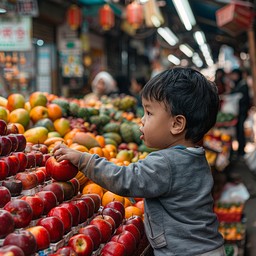

Go shopping with your child to the market with you and allow them to choose or ask them what fruits, and vegetables and other foods they are interested in. You can start this as early as 15 months.
Talk about their names, what they look, smell, feel, and taste like. At home, give your little one an age-appropriate task like stirring in a bowl or arranging cut vegetables. They will be proud of what they have created and excited to taste it.
Picky Eaters Tip #6: Don’t Get Up to Prepare Another Meal!
If you regularly get up to make them a meal that they prefer, they will expect that and only eat their preferred foods!
Instead, aim at to include 1-2 foods in each meal that your child usually likes so there’s always something “safe” that they can eat.
Picky Eaters Tip #7: Consider Your Reaction

Ask yourself why you’re upset? What is it that you’re afraid of? Are you worried they’ll wake up in the middle of the night hungry?Are you worried they simply aren’t eating enough? Knowing the reason behind your worry can help you figure out if you really need to worry so much to begin with!
And watch how you react. If your toddler doesn’t eat their dinner because they know you will always get them a snack afterwards? If you follow your toddler around with food forcing in bites when they don’t eat much when they’re at the highchair, food might have become a source of stress for them.
The more that you can relax about what your child eats and assume that they aren’t hungry when they don’t eat, not that they are picky, the better off everyone will be.
Picky Eaters Tip #8: Try to Avoid Comparing Your Toddler to Others
Every single person, child or adult, eats differently. And avoiding the comparison game is much harder now that we have social media in our lives. But if you step back and remember that those images are not the full story, you’ll likely feel much less stressed!
Picky Eaters Tip #9: Serve a Variety of Food—No Matter What!
The best ways to ensure that your toddler doesn’t wind up only eating three foods is to serve them more than just those three foods!
This may seem tricky if you have a child who refuses everything but their favourites, but here are a few tips for how to do this:
- Aim to serve a variety of foods from all food groups over the course of the week.
- Try to not serve the same foods two days in a row for the same meal.
- Buy two items of produce each week that you didn’t buy the week before.
- Include 1-2 foods they usually eat as part of each meal, but don’t stop exposing them to new foods.

Though your little one may not eat everything you offer, the important thing is to provide them with a wide variety of nutritious foods to choose from. Let them explore the different colours, textures and flavours.
Picky Eaters Tip #10: Have Compassion
As you try these tips, remember to also have compassion- both for yourself and your child. This is often a very emotionally loaded topic for all of us and can be stressful.
Try to keep your cool even if a meal hasn’t been eaten. If you are anxious and tense, your child will pick up on this and it could make the situation worse. So don’t make a fuss – just take the plate away without comment.
Read about the Division of Responsibility in our next blog.