

How to Build Your Child’s Self-Esteem: 7 Simple Habits That Work
Think about your child’s face when they walk through the door after school. Bright and chatty? Quiet and heavy-footed? That face tells you a lot about how they feel inside, and the way they feel about themselves shapes how they learn, make friends and handle hard days.
What Is Self-Esteem?
Self-esteem is your child’s inner answer to one question: “Am I good enough, and can I handle this?” It is not bragging or top marks. A child with healthy self-esteem can lose a match or flop a test and still believe they are loved and can try again.
Quick check: When your child makes a mistake, what do you say first? A correction, a question, or a hug?
7 Simple Habits
1. Make home a safe place to land
Kids take risks when home feels steady. Keep one small daily ritual, like the same goodnight chat, and put your phone away for ten minutes of full attention.

Ask yourself: What can your child count on every day, even in a busy week?
2. Give them a purpose
Goals and jobs make children feel needed: learning the keyboard, watering the plants, helping a cousin with spelling.
Ask yourself: What does your child love so much that time disappears?
3. Keep promises and trust them back
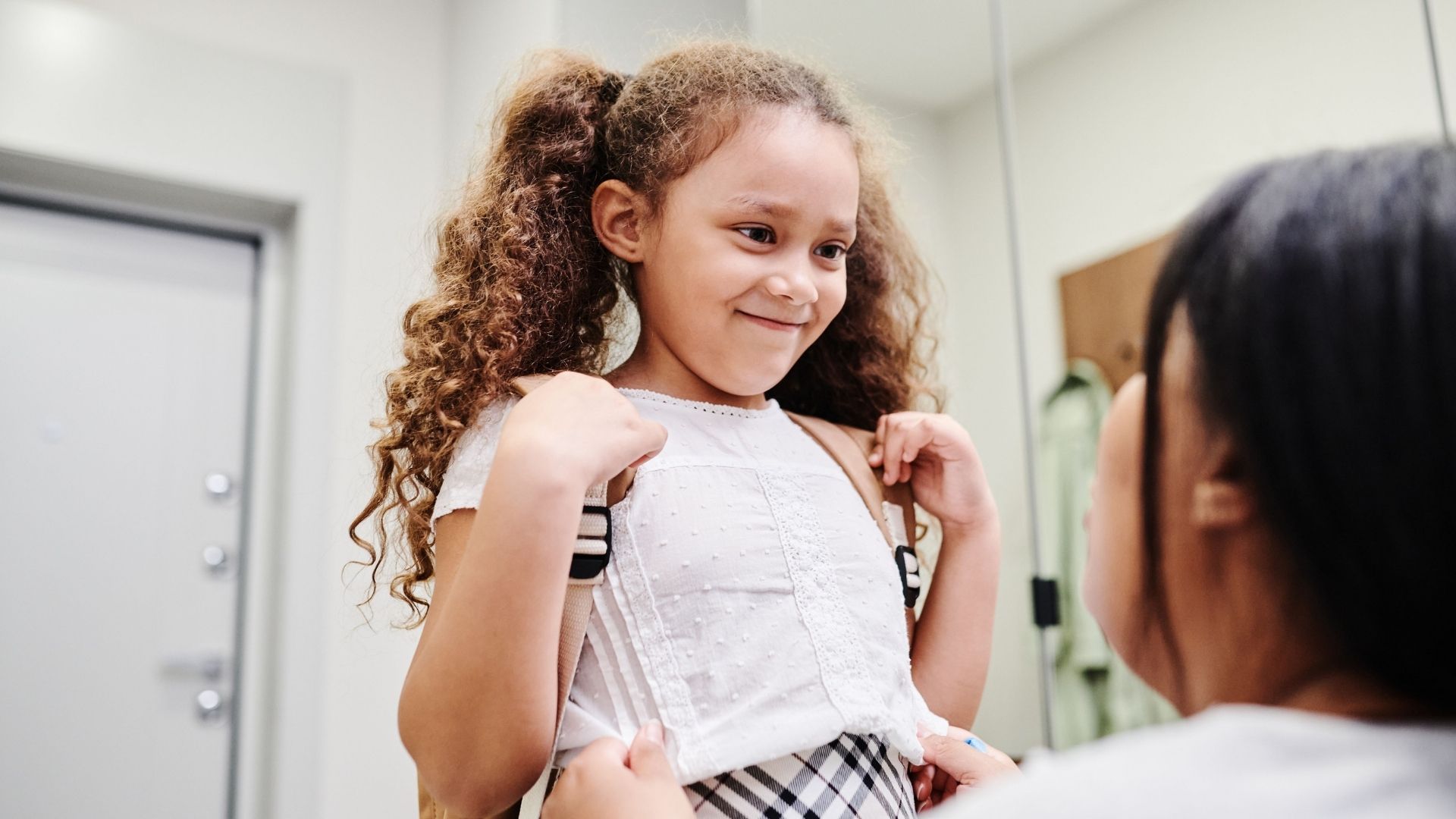
When you do what you said, and believe their honest side of the story, they learn they are worth trusting. Let them carry the milk home or pack their own school bag.
Ask yourself: What could your child do alone that you still do out of habit?
4. Offer real choices
Two outfits to pick from, or which homework to start with. Small choices build confidence for big ones.
Ask yourself: How many decisions did your child make today?
5. Treat mistakes as lessons
Instead of sighing at a poor mark, try: “What happened, and what could we try next time?” Remind them your love does not rise and fall with results.
Ask yourself: What did you wish a grown-up had said when you failed as a child?
6. Praise effort, not just results
“You’re so clever” can make kids afraid to try. Say what they did: “You kept going on that maths problem even when it was hard.” Keep it honest and specific.
Ask yourself: When did you last catch your child doing something right and say it out loud?
7. Let them build skills and feel proud
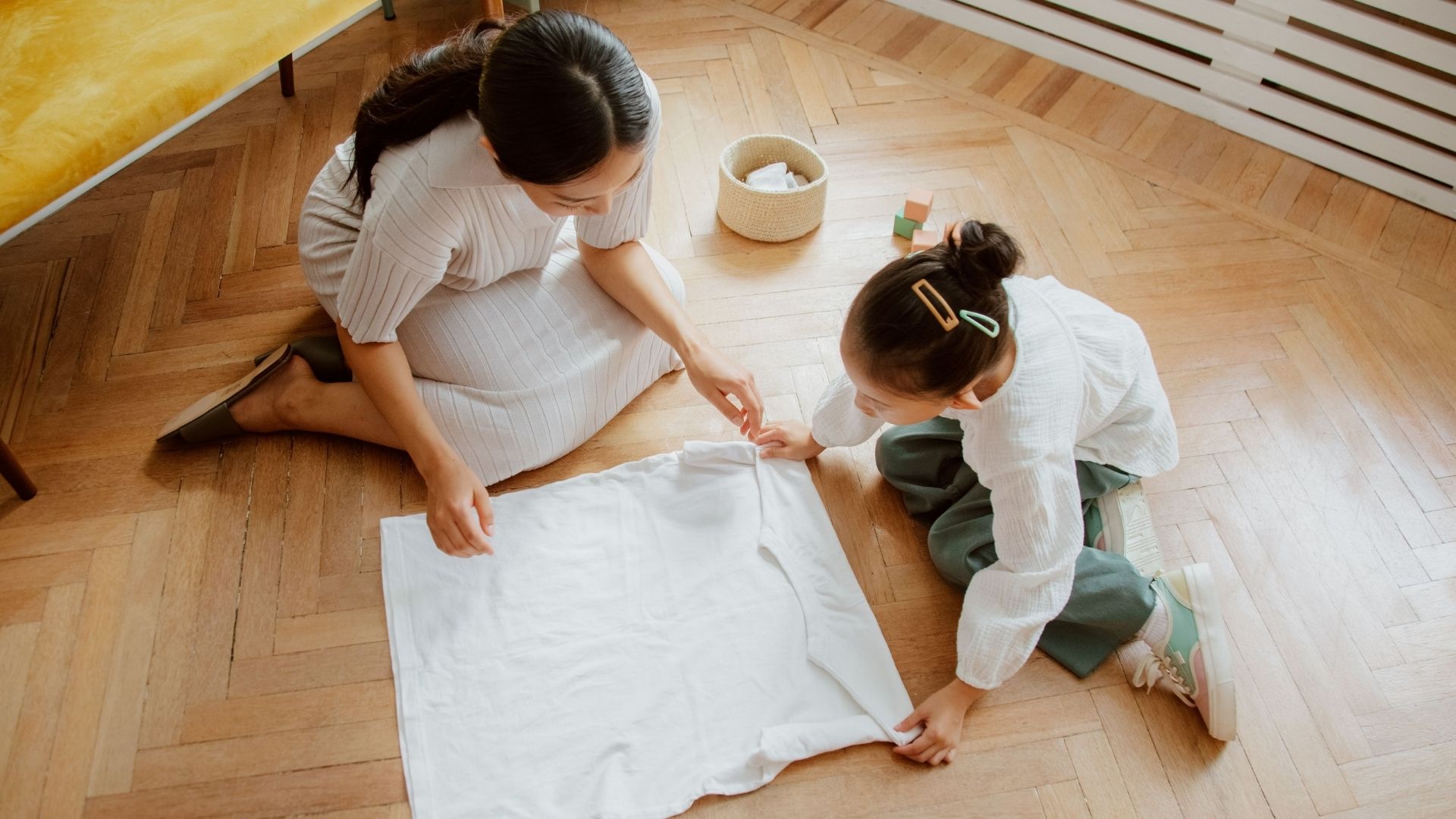
Cooking a simple meal, feeding the chickens, folding laundry. Resist redoing it afterwards. A crooked bed made proudly beats a perfect one made by you.
Ask yourself: What one job can you hand over this month?
When to Get Extra Support
Watch for patterns lasting weeks, not one bad day: harsh self-talk like “I’m stupid,” avoiding new things, withdrawing from friends, big mood changes, or shifts in sleep and appetite. Start with a calm chat: “I’ve noticed you seem down. I’m here.” If it continues, talk to the teacher, a school counsellor or your paediatrician.
Start Small Today
Pick one habit this week. Which came easiest, and which made you pause?