

Separation Anxiety at School: What Parents Should Know
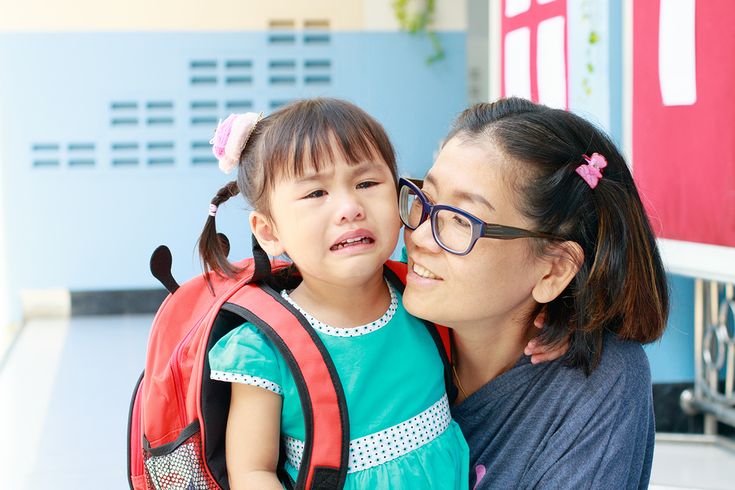
School is back this week, and for some children, that means more than a new timetable, uniform and school bag. It means saying goodbye to Mum or Dad.
You may notice your child clinging to you at the school gate, crying when you try to leave, asking repeatedly when you’ll come back, or suddenly saying they don’t want to go to school.
For a parent, it can be heartbreaking.
But tears at school drop-off don’t automatically mean something is wrong. Separation anxiety can be a normal part of adjusting to school, especially after spending weeks at home or during a major transition such as starting a new school.
What is separation anxiety?
Separation anxiety is the distress a child experiences when separated from someone they feel safe and attached to, usually a parent or primary caregiver.
You might notice your child:
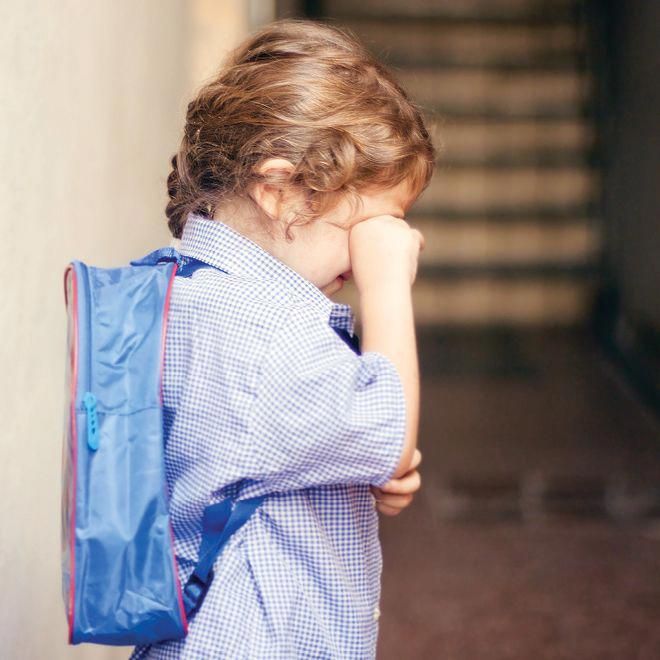
- Crying or becoming upset when you leave
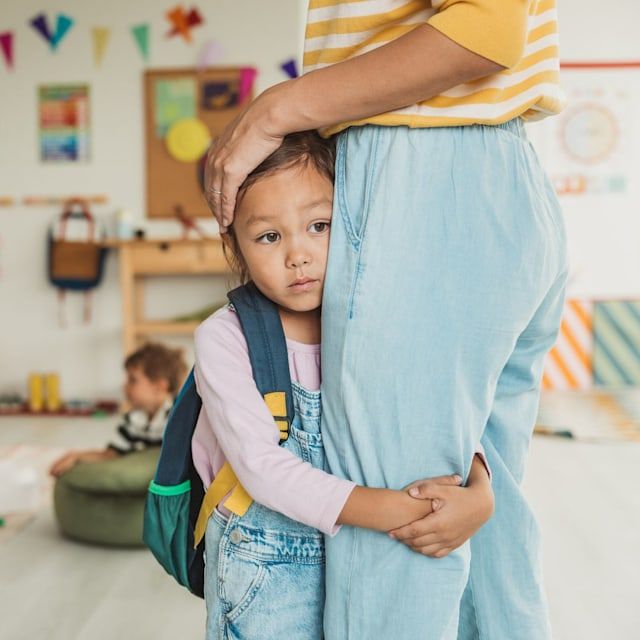
- Clinging to you at school drop-off
- Asking you not to go
- Finding it difficult to settle after you leave
- Complaining of a tummy ache or headache
- Having difficulty sleeping
- Becoming more emotional or irritable
Who does it affect most?
Separation anxiety is most common in toddlers and young children starting daycare or preschool, typically between about 1 and 3 years old, when children are still developing a secure sense that a parent who leaves will reliably come back. A second, often milder wave can appear around the start of preschool or kindergarten as children face a new environment and routine.
For most children, these reactions ease naturally by around age 5 to 6 as they build confidence, form relationships with teachers and peers, and gain more experience with predictable goodbyes. It’s less typical, though not impossible, in older primary school children — so if a school-age child develops sudden or intense separation distress, it’s worth mentioning to your paediatrician, as it can occasionally signal something else going on.
What helps with school drop-off anxiety?
- Prepare during the drive. Don’t wait until you’re standing at the school gate to talk about school. During the drive, talk about something your child enjoys. “Are you going to see your friend today?” “I wonder what story you’ll read.” Talking about a familiar friend, teacher or activity can help shift their focus towards positive expectations.
- Stay calm and confident. Children can pick up on our emotions. If you’re visibly anxious or repeatedly checking whether they’re okay, your child may interpret the situation as something to worry about. Use a warm, confident tone: “You’re safe. You’ll have a good day, and I’ll come back after school.” Your confidence helps communicate that school is a safe place.
- Keep goodbyes short and loving. This can be one of the hardest parts for parents. Your child is crying, you feel guilty, so you stay for another five minutes. Then another five. But repeatedly prolonging the goodbye can make separation harder. Instead, create a short and predictable goodbye routine. Give them a hug. Give them a kiss. Tell them when you’ll return. Then say goodbye and leave confidently.
- Give plenty of affection. Don’t confuse independence with emotional distance. Your child still needs to feel loved and secure. Give them the hug. Give them the kiss. Tell them you love them. Affection can be part of a predictable goodbye routine that helps your child feel secure while learning to manage separation.
- Be specific about when you’ll return. For younger children, “I’ll see you later” can feel vague. Instead, use something they understand: “I’ll pick you up when school finishes.” Most importantly, keep your promise. Consistently returning when you say you will helps build trust around separation.
What if my child is still crying?
This is where many parents feel guilty.
You may walk away from the school gate wondering:
“Did I do the right thing?”
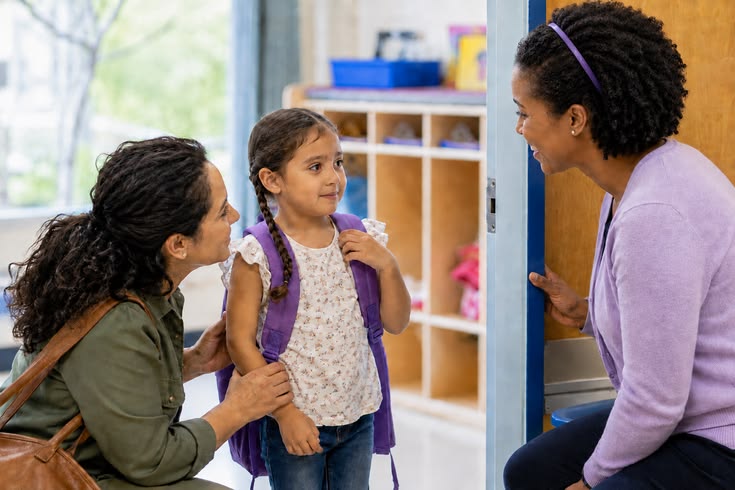
Crying at separation doesn’t necessarily mean your child will remain distressed throughout the school day. Some children settle shortly after their parent leaves once they become engaged with their teacher, classmates or an activity.
Look at the bigger picture: Is your child gradually adjusting? Are they participating at school? Are they eating, sleeping and functioning normally?
Remember: You don’t have to stop every tear
Starting or returning to school is a big transition.
Your child’s tears don’t mean you’ve failed as a parent, and they don’t necessarily mean your child isn’t ready for school.
Sometimes, your job is to provide love, consistency and reassurance while giving your child the opportunity to discover that they can cope without you for a little while.
The message you’re helping them learn is simple:
“Mum leaves. Dad leaves. And they come back.”
And over time, that goodbye at the school gate can become a little easier.
At Ellie Children’s Clinic, we believe parents shouldn’t have to guess when they’re concerned about their child’s health or wellbeing. If you’re worried about your child’s adjustment to school, speak to a paediatrician.