

Choking vs. Gagging: How to Tell the Difference (And When to Worry)
Your baby’s face turns red. They cough. Your heart stops.
Is this choking — or just gagging?
Every parent Googles this at the worst possible moment: mid-dinner, phone in one hand, panicking toddler in the other. Here’s the fast, clear answer, plus what to do next — and yes, can we help your child? Absolutely.
The One-Second Test: Can They Make Noise?
This is the single biggest difference between choking and gagging.
Gagging is loud. Coughing, spluttering, watery eyes, maybe a little vomit. It looks scary — but noise means air is moving. Gagging is a protective reflex: your child’s body pushing food forward before it becomes a real problem.

Choking is silent. A truly choking child can’t cough, cry, or speak. They may clutch their throat or turn blue around the lips. No sound means no air. This is the emergency.
Remember this one line: noisy = safe, silent = call 911.
Still unsure about the difference? Watch this helpful explanation for a visual walkthrough.
Why Gagging Happens (and Why It’s Actually Good)
The location of the gag reflex changes as your child grows — and that’s the key to understanding why babies gag so much more than adults.
Infants: The gag reflex sits at the front and middle of the tongue. It’s easily triggered — even a lump of puree or a piece of soft food can set it off. This is completely normal and by design: it’s an extra layer of protection while babies are still learning to move food around their mouths.

Toddlers: As chewing and tongue control improve (usually through the second year), the reflex gradually moves further back. Gagging becomes less frequent, though it can still happen with new textures or foods eaten too quickly.
Adults: The gag reflex sits at the back of the tongue and posterior wall of the throat. It only triggers when something reaches much further back, which is why adults rarely gag on everyday foods.
Signs of Real Choking in Babies and Toddlers
Watch for:
- No crying, coughing, or sound at all
- Blue or grey lips, face, or fingertips
- Panic, wide eyes, clutching at the throat
- A weak cough that quickly stops
- Inability to breathe
If you see this, call emergency services immediately and start infant back blows/chest thrusts or child abdominal thrusts if trained. Don’t wait to “see if it passes” — seconds matter.
What To Do in the Moment
Gagging: Stay calm, stay close, don’t grab at their mouth. Let the reflex work. Your calm face teaches your child this is normal.
Choking: Act immediately. Back blows, chest or abdominal thrusts, and call emergency services without delay.
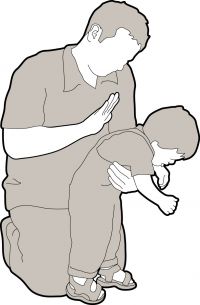
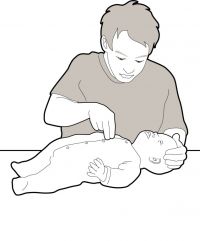
Watch the full video on TikTok and learn the skills you hope you’ll never need — but will be grateful to have if the moment ever comes.
FAQ’s
How fast can I book? Same-day and next-day appointments, so you’re not stuck waiting a week while you worry.
Are you different from rushed hospitals? Our pediatric specialists give full, unhurried visits — not five minutes and a prescription pad.
Will my child feel safe here? A calm, child-friendly clinic designed for anxious kids — and anxious parents — from the moment you walk in.
What happens if my child gets sick at night? After-hours guidance for exactly these moments, because illness doesn’t check the clock.
Do you understand anxious parents? Completely. Every question on this page is one we hear daily, and none of them are “silly.”
Is Premium Care Worth It?
Premium care here doesn’t mean a fancy waiting room. It means a doctor who takes your worry seriously, remembers your child’s name, and answers when you call — the peace of mind that you’re never guessing alone.
The Bottom Line
Gagging is noisy, protective, and rarely a concern. Choking is silent and always an emergency. When you’re unsure which one you’re watching — trust your instinct and call us.
Worried about your child right now? Book a same-day appointment — we answer, we listen, we help.