


ADHD Morning and Bedtime Routines: A Guide for Kenyan Families (And When to See a Paediatrician)
Does every school morning feel like a battle you cannot win? Is bedtime a two-hour ordeal that leaves everyone exhausted? If your child has ADHD — or you suspect they might — you are not alone, and there is real help available in Kenya.
Understanding Why ADHD Makes Routines So Hard
Children with ADHD experience what experts call executive function deficits. In simple terms, their brains struggle to organise tasks, manage time, and shift between activities — especially under pressure.
This is why your child can sit in their school uniform for 20 minutes without brushing their teeth. It is not defiance. It is not laziness. It is a neurological difference that responds extremely well to structure, consistency, and — when needed — professional support.

For Kenyan families, this challenge is often compounded by large class sizes, long commutes across Nairobi traffic, and school environments that are not always equipped to recognise ADHD. Many parents spend years wondering whether something is wrong, feeling dismissed by rushed consultations, or being told their child simply needs more discipline.
You deserve a paediatrician who actually listens. But first, here is what you can do at home.
Morning Routines That Work for ADHD Children in Kenya
Wake Up: Work With the ADHD Brain, Not Against It
Harsh alarms and shouting rarely work. Instead:
Use natural light— Kenya’s morning sunshine is a powerful, free wake-up tool. Open the curtains the night before so light floods in at dawn.
Try a gradual approach — Wake your child 15 minutes before they truly need to get up. Give gentle five-minute warnings rather than one abrupt demand.
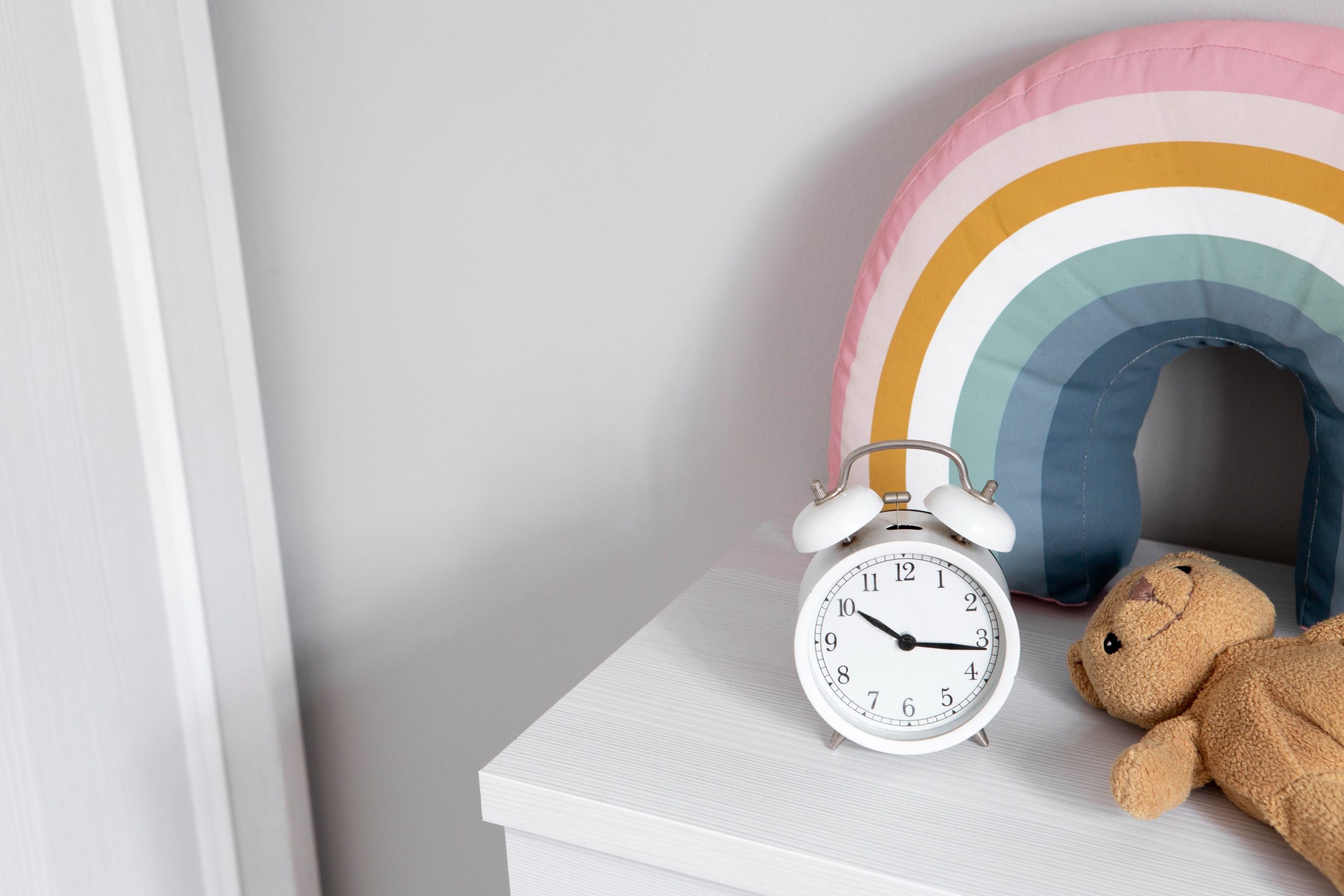
Place the alarm out of reach — So they physically have to get up to turn it off.
Ask your paediatrician about medication timing — If your child is on ADHD medication, a doctor may advise a small early dose 30 minutes before wake-up to ease the transition into the morning.
Build a Visual Morning Checklist
Children with ADHD respond to visual cues far better than verbal reminders. Create a simple checklist — drawn or typed — and post it where your child will see it:
– Wake up and wash face
– Comb hair and get dressed
– Eat breakfast
– Brush teeth
– Pack bag and head to the door
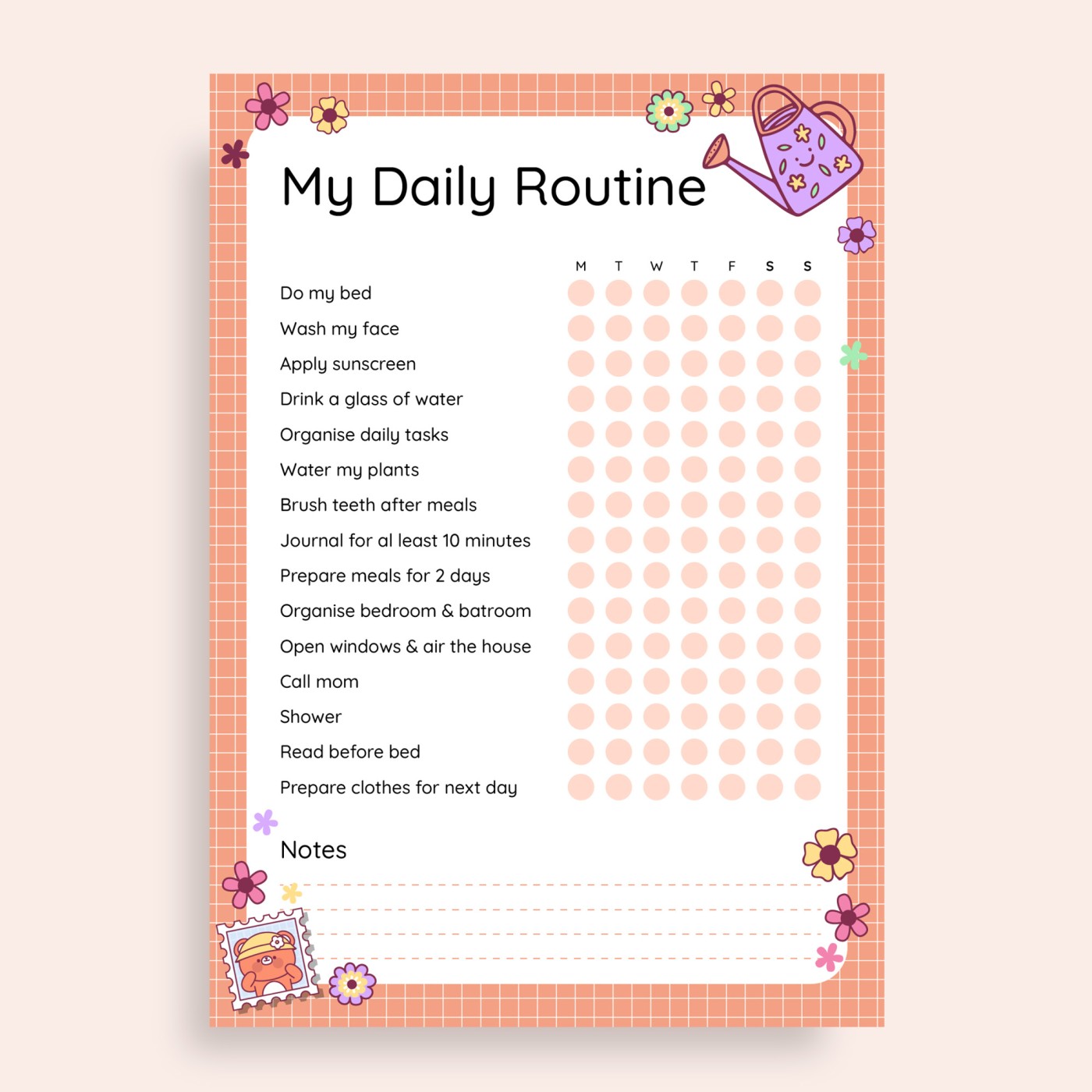
Sample morning timeline for a Nairobi school day:
6:30 AM – Wake up
6:35 AM – Wash face, get dressed
6:50 AM – Breakfast (uji, bread, eggs — whatever works)
7:10 AM – Brush teeth together
7:20 AM – Shoes, bag, out the door
Build in at least 10 extra minutes. Nairobi traffic is unpredictable, and a rushed exit undoes everything.
Reduce Morning Conflict Points
- If your child fights over clothing, let them choose their outfit the night before.
- If breakfast is a battleground, offer simple options — fruit, a boiled egg, mandazi — and do not force them to sit at the table if movement helps them eat.
- Praise every small win. A sticker chart or token system rewarding stress-free mornings costs nothing and makes a genuine difference.
- 5:1 Rule – Children with ADHD, often receive a high volume of corrective feedback. We want to aim for 5 positive comments for every 1 correction. Noticing the small wins like getting to the car/ bus on time, will help maintain their self- esteem and willingness to cooperate.
Bedtime Routines: Helping Your Child Wind Down
After a full school day, children with ADHD often arrive home overstimulated and unable to settle. The key is to start the bedtime process earlier than you think you need to.
Prepare Tomorrow Tonight
The most effective thing you can do for school mornings is to prepare the evening before:
- Choose and lay out the school uniform
- Pack the school bag completely — homework, water bottle, permission slips, everything. Have a Launchpad – designate a specific spot near the front door for backpack, shoes, sports gear etc. This should be checked every night, with assistance initially but a target for total independence eventually.
- Decide on tomorrow’s breakfast together.This removes decision-making from the morning entirely — exactly what an ADHD brain needs.
Create a Calming Wind-Down Sequence
Switch off all screens — phones, tablets, TV — at least 45 minutes before bed. Screens stimulate the ADHD brain and significantly delay sleep onset. Replace screen time with:
- Reading together (even five minutes makes a difference)
- A quiet conversation about the day
- A simple board game or puzzle

Sample bedtime routine:
8:00 PM – Warm bath or shower
8:20 PM – Pyjamas on, light protein snack
8:30 PM – Brush teeth
8:45 PM – In bed — read or talk quietly
9:00 PM – Lights out, goodnight ritual
Sleep Tips That Actually Work
Protein before bed — Foods like milk, eggs, groundnuts, or chicken contain tryptophan, which supports natural sleep. A small snack 30 minutes before bed helps.
A consistent goodnight ritual— A hug, a short prayer, a favourite phrase repeated every night signals to the brain that sleep is coming. This security matters deeply for anxious children with ADHD.
Avoid sleeping pills— Most adult sleep medications have not been adequately tested in children. If your child’s sleep issues are severe, speak to a paediatrician about safer options like melatonin — and get the dosage right professionally.
When Home Routines Are Not Enough:
Signs It Is Time to See a Paediatrician
- Routines help enormously — but they are not a substitute for a proper assessment. If you recognise several of the following, it is time to book an appointment with a paediatric specialist:
- Your child’s teacher has raised concerns about attention, behaviour, or learning
- Your child is falling behind academically despite trying hard
- Mornings and bedtimes cause significant distress for your child — not just inconvenience
- Your child seems anxious, has low self-esteem, or is being excluded socially
- You have tried consistent routines for several months without meaningful improvement
- You have a gut feeling that something is being missed
The right paediatrician will not rush you. They will listen to your full story, observe your child carefully, and give you a clear path forward — whether that is a formal ADHD assessment, a referral, a medication conversation, or simply reassurance and a stronger plan.
What to Expect From a Paediatric ADHD Consultation in Kenya
Many Kenyan parents arrive at their first appointment nervous. They wonder: *Will the doctor actually listen? Will my child feel safe? Am I overreacting?
A good paediatric consultation should include:
- Unhurried time with your child and with you— not a five-minute hospital slot
- A full developmental and behavioural history— not just a checklist
- Clear, jargon-free explanations of what is happening and why
- A personalised plan — because no two children with ADHD are the same
- Ongoing support— including what to do if things change, get worse, or if you have questions between appointments
- If your child gets sick at night, or you have urgent concerns between visits, you should be able to reach someone. Ask your clinic about after-hours support before you book.
Ready to Get Your Child Properly Assessed?
You know your child better than anyone. If mornings are a daily crisis, bedtimes are a nightly battle, and school is becoming a source of anxiety — trust that instinct.
At Ellie Children’s Clinic we see children across Nairobi and understand the pressures facing families — whether you have lived here all your life or arrived last month. Your child will feel safe. And you will leave with a clear plan.