

Swimming for Children: When to Start and What Every Parent in Nairobi Needs to Know
With Nairobi’s warm climate, school holiday pool parties, and beach trips to the coast during the holidays, swimming is a huge part of family life in Kenya. It’s joyful, it’s social, and it’s wonderful exercise for children. But every parent should also understand the serious side — because the question of when and how children learn to swim is genuinely a matter of life and safety.
First, Let’s Talk About the Risk
Water is wonderful — and it carries real risk for young children. What many parents don’t appreciate is just how quickly and quietly things can go wrong. Drowning is almost always silent. There is no dramatic splashing, no shout for help. It can happen in seconds, in shallow water, even with calm, attentive adults nearby. It is a risk worth taking seriously — and the encouraging thing is that with the right habits, it is a risk that can be significantly reduced.
When Should Your Child Start Swim Lessons?
Under 12 Months
Formal swim lessons are not recommended for babies under 12 months. Young infants lack the neck strength to keep their heads above water and are not developmentally ready for structured instruction. That said, gentle parent-and-baby water play in warm, safe water is a lovely way to help your infant get comfortable around water from an early age.
Ages 1–3 Years
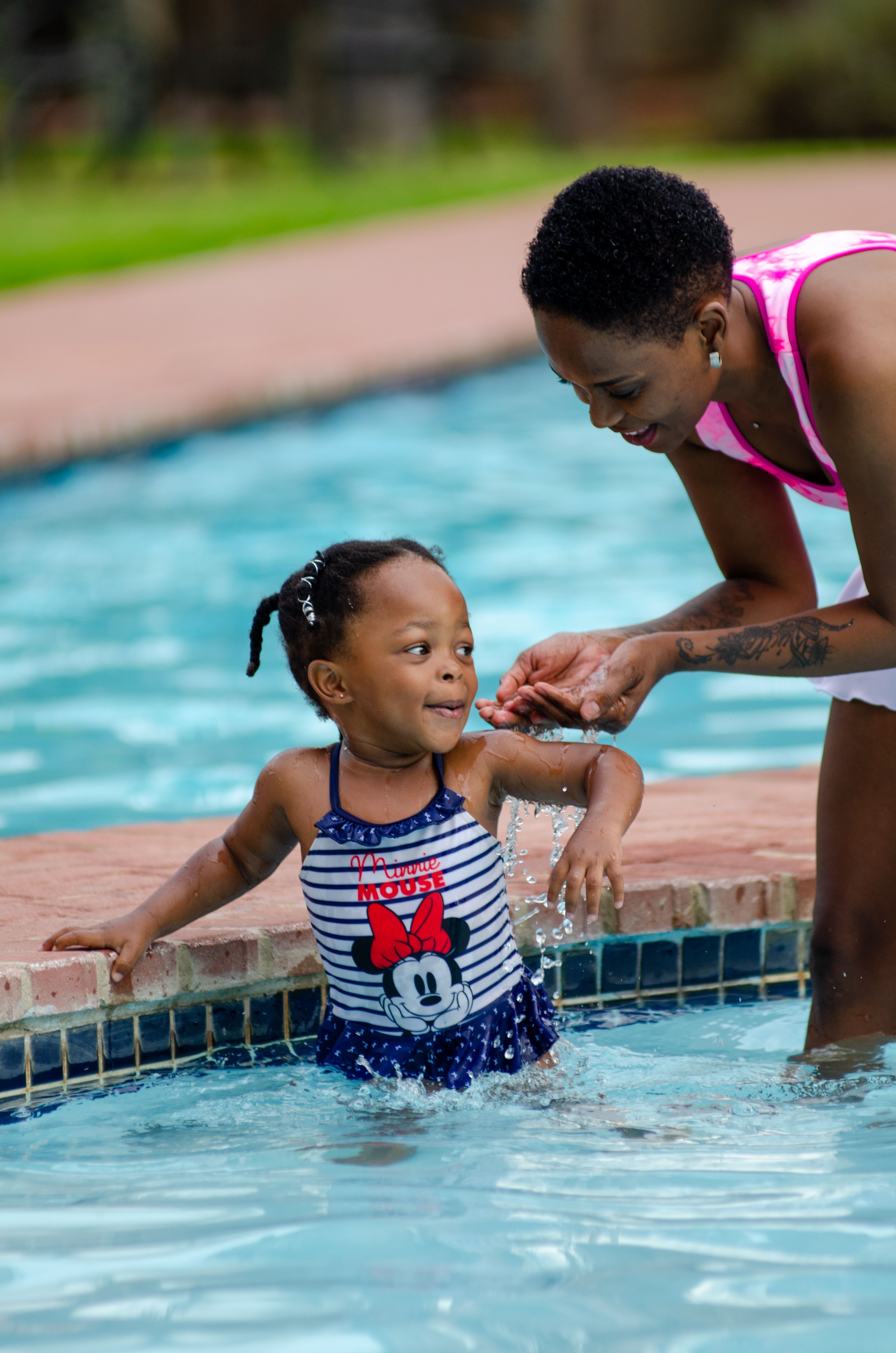
From around 12 months, many toddlers can begin parent-and-child swim classes focused on water confidence and basic survival skills — like floating on their backs. Children this age are mobile and curious, which actually increases their risk of unsupervised access to water. Starting early exposure in a safe, structured setting makes good sense.
Ages 5 and Above: The Key Window
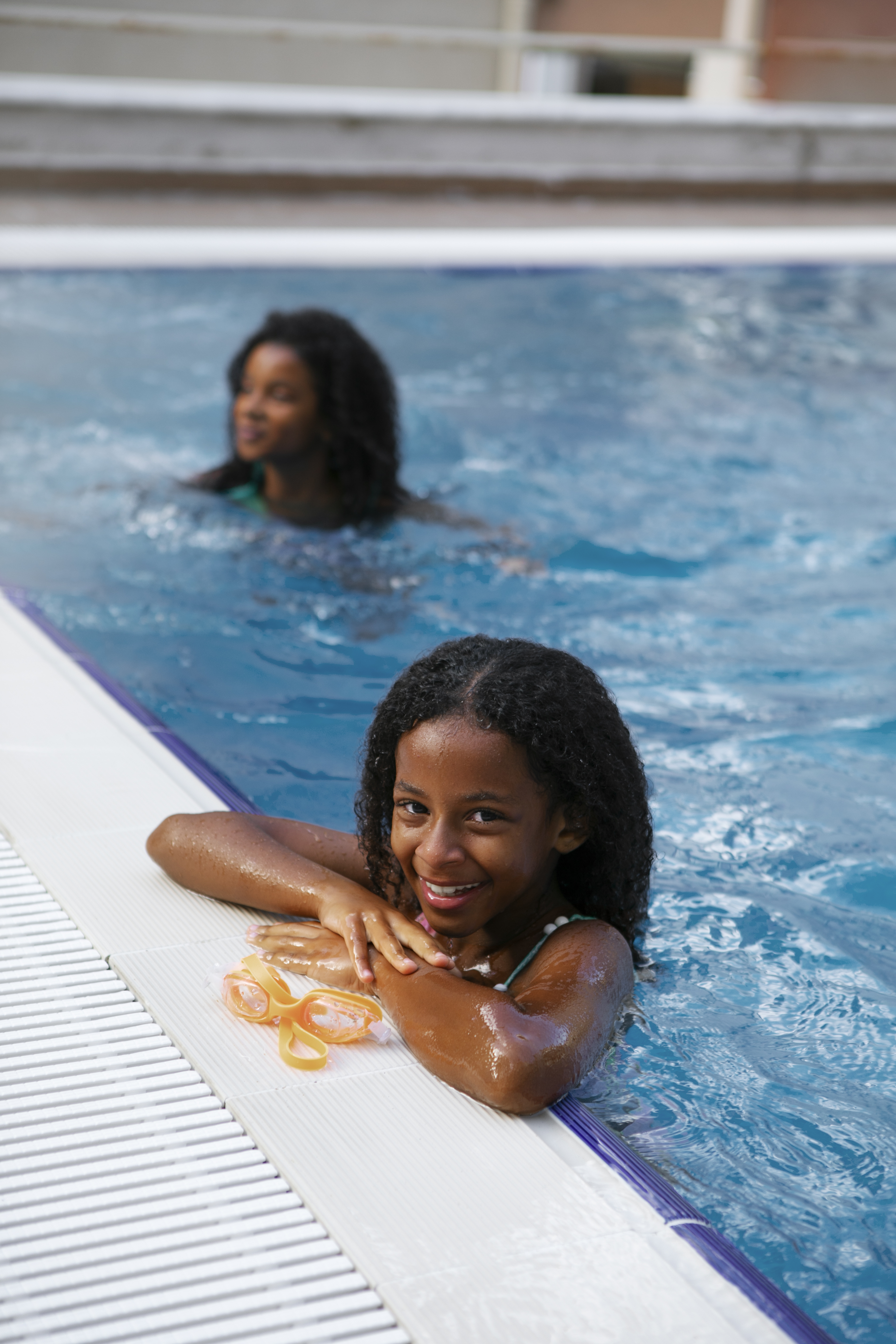
By age 4, most children have the physical ability and cognitive readiness to begin proper swimming instruction. This is the stage where children can start learning real water competency skills — treading water, swimming short distances, and knowing how to get to a pool exit point. By ages 5–6, many children in lessons can manage basic strokes confidently.
Always consider your individual child. Some 3-year-olds are ready; some 5-year-olds need a little more time.
What Makes a Good Swim Programme?
- Not all swim schools in Nairobi are equal. When choosing a programme for your child, look for these key qualities:
- Qualified instructors with certified training, not just experienced swimmers
- Small student-to-instructor ratios, especially for young children
- A focus on water safety habits, not just stroke technique
- Lessons that include self-rescue skills — floating, getting to the pool edge, swimming in clothes
- A heated pool is a bonus — some facilities in Nairobi do offer warmer water, though they can take a little hunting to find. Most pools here sit closer to room temperature, so don’t bank on warmth. Younger children feel the cold more quickly than adults, so keep early sessions short and watch for shivering — that’s your cue to wrap them up.
- Clean, well-maintained water with proper chlorine levels
- For children under 5, look for parent-and-child classes where you are in the water together. This builds trust, allows ‘touch supervision,’ and helps you reinforce skills between sessions.
The Golden Rule: Swim Lessons Are Not Enough on Their Own
Even after your child completes swim lessons, they are NOT drown-proof. Swim lessons significantly reduce risk — but they must be combined with:
Constant, focused adult supervision whenever children are near water (put the phone away)
Physical barriers — fences, pool covers, and locked gates where possible
Properly fitted life jackets on boats or in open water — floaties are not life jackets
A designated ‘water watcher‘ at pool parties — one adult whose only job is watching the water, staying within arm’s reach of young children at all times
Learning basic CPR as a parent — it can make the difference in those critical first minutes
A Word on Bathtubs and Home Pools
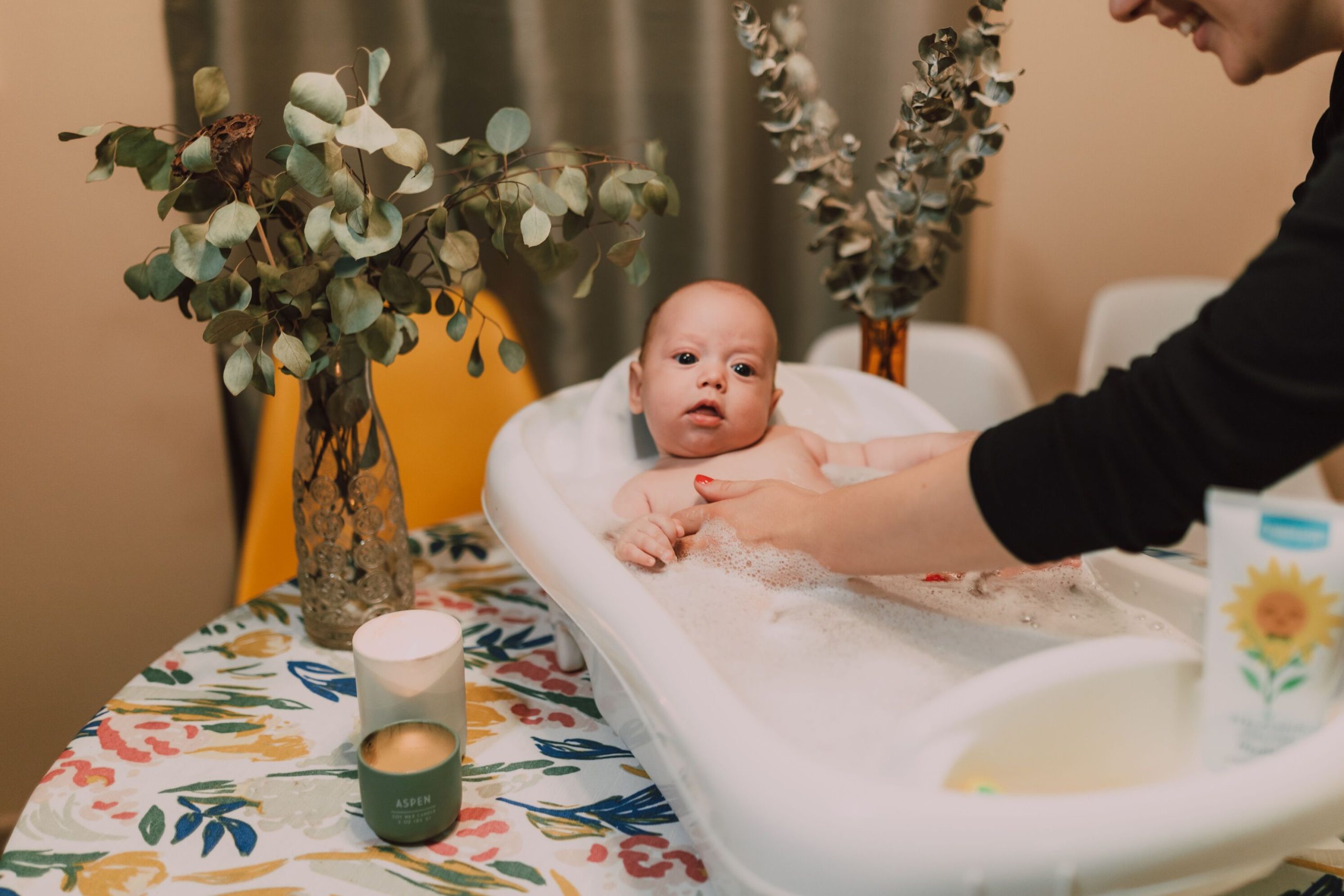
What many parents don’t realise is that drownings can and do happen far away from a pool or large body of water. The bathtub, a bucket, even a shallow garden container of water can be enough. A child can drown in as little as 5cm of water. Never leave a child under 5 alone in the bath — not to answer the door, not to check your phone. Bring your phone into the bathroom with you, and empty the bath immediately after use.
If you are fortunate enough to have a home pool, or if you live in a gated community with a shared pool, please do advocate loudly for a proper perimeter fence with a self-latching gate. We know that pool fencing is not yet standard practice in Nairobi — but it is one of the single most effective barriers between a curious toddler and an accident. Raise it with your estate management. Push for it. It matters.